
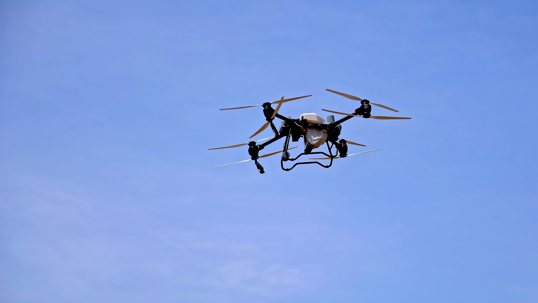
In recent years, drones have become increasingly common in Southwest Florida, both for recreational purposes and professional use. Their ability to capture aerial footage from unique perspectives makes them a valuable tool—but can drone footage be used in local injury cases? The short answer is yes, under certain circumstances. Understanding how drones intersect with the law is essential for anyone involved in an accident.
Drone footage can provide clear, objective views of accident scenes that are difficult to capture from the ground. For car accidents, slip-and-fall incidents, or boating collisions, aerial video can show vehicle positions, obstructions, road conditions, and even the sequence of events leading up to the accident. This type of evidence can strengthen a personal injury case, but it must be collected and used correctly to be admissible in court.
Legal Considerations for Drone Evidence
While drones offer valuable insight, there are legal requirements to consider. Florida privacy laws limit the ability to record individuals on private property without permission. Footage collected without consent may be challenged in court, so it is important to ensure that any drone documentation complies with local and federal regulations.
Additionally, the accuracy and reliability of drone footage are critical. Courts often scrutinize digital evidence to confirm it has not been altered or manipulated. Metadata, timestamps, and proper chain-of-custody procedures are important for demonstrating authenticity. Drone footage is most effective when paired with other forms of evidence, such as witness statements, photos, and official reports.
Drone evidence is particularly useful in cases where the accident scene changes quickly. For example, roadways may be cleared, or weather conditions may obscure important details. Aerial video captured shortly after an incident can preserve information that might otherwise be lost, helping attorneys accurately reconstruct the event.
How Attorneys Use Drone Footage
Experienced personal injury attorneys in Fort Myers can leverage drone footage to support claims, negotiate with insurance companies, and present a compelling case in court. By reviewing aerial footage, lawyers can identify liability, clarify accident dynamics, and challenge opposing narratives. In slip-and-fall, premises liability, or boating accident cases, drone video may provide a unique perspective that traditional evidence cannot.
It is important for accident victims to act quickly. Gathering evidence, including drone footage, should happen as soon as possible to ensure the scene is accurately documented. Consulting with an attorney early can help determine whether drone evidence is appropriate and how to obtain it legally.
Protecting Your Rights
If you are involved in an injury case, understanding your options is essential. Drone footage can be a powerful tool, but it must be used properly. Working with a knowledgeable attorney ensures that evidence is collected lawfully, presented effectively, and supports your case in pursuit of compensation.
Cape Coral Personal Injury Lawyers
At Lusk, Drasites & Tolisano, we help accident victims in Fort Myers and surrounding areas navigate the complexities of personal injury law. Contact us at (239) 908-4930 to discuss your case, explore your legal options, and ensure your rights are protected with the best possible evidence on your side.